The FatChilli Playbook #1: Leading podcasts are discovering newsletters and Denník N share their strategy

May 22, 2026
May 22, 2026
Hi friend 👋
Welcome to 🌶️ The FatChilli Playbook, a new monthly newsletter from us, for publishers, editors, and product people who think about reader revenue more than is probably healthy.
One email a month. No filler, no breathless trend pieces, no “the future of media is…” anything. Just the publisher stuff worth knowing and occasionally laughing at (or crying, your choice).
Let’s go.
I’m David, and I will be your regular (I work as an audience revenue & engagement expert at FatChilli for Publishers)
Nic Newman’s new Reuters Institute report basically says: nobody knows what a podcast is anymore.
Audio podcasts are being filmed. Filmed podcasts are being watched on TVs. Long, beautifully produced narrative series are being eaten alive by two guys with microphones and opinions about football. And the most successful audio brands have stopped saying “podcast” and started saying “show”, a recurring franchise that spits out an episode, a video version, social clips, a transcript, and a written article from one recording.
Then comes the line that made us spit out our coffee. Newman writes that the new wave of podcast-first companies are now extending their franchises with “bonus content, newsletters, text, and further product extensions.”
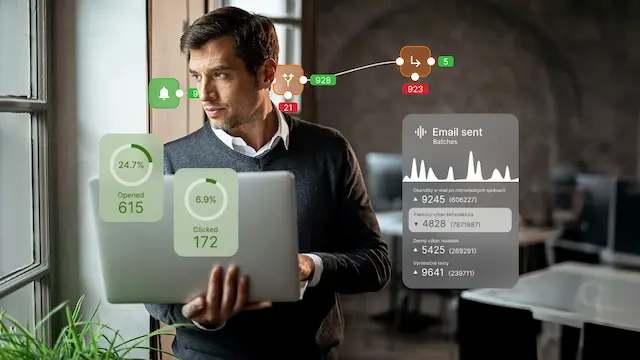
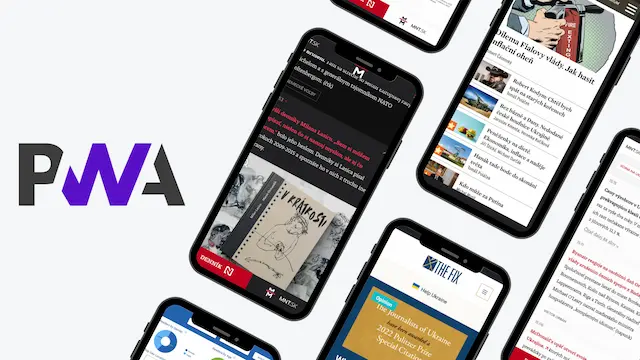
Translation: the hottest audio brands in the world have just discovered newsletters. Which is hilarious, because Denník N has been doing this since 2017 and currently sends millions of emails a month.
In a sense, it all came back to the beginning in a perfect circle.
Also, the future of media might be all televised, but email is here to stay.
New piece on our blog: how Denník N turned newsletters into the spine of a 75,000-subscriber business. Three things that surprised us:
🌶️ Signing up for a newsletter is registration. No second form. No confirmation dance.
🌶️ Nobody hits “send.” Newsletters are published as articles on the web first and then automatically packaged and emailed.
🌶️ The hand-written and curated newsletter performed a magnitude better than automatic ones.
All of it runs on REMP Mailer, which is the bit that lets the CMS, the CRM, the paywall, and the newsletter actually talk to each other instead of staring awkwardly across a Zapier integration.
Most analytics tools tell you what happened, then hand you a CSV and wish you luck.
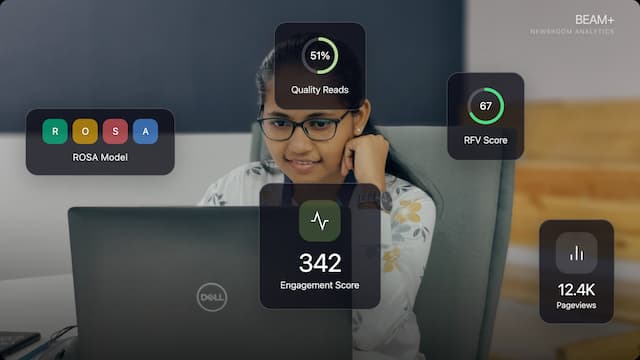
Beam+ does two things differently.
ROSA tells you what to do. Every article gets one of four labels: Replicate (it worked, do it again), Optimize (got clicks, lost readers, fix the headline), Stop (nobody read it, nobody finished it, move on), or Amplify (great piece, sad reach, push it harder). Editors stop arguing about dashboards and start making decisions.
Your data stays on your servers. Beam+ is self-hosted, built on the open-source REMP Beam stack originally created by Denník N. Your audience data does not live on someone else’s vendor cloud, does not vanish if you cancel.
30-minute demo here. No slide deck, we promise.
In case you missed it (or have been trying very hard to forget it): last summer, the Chicago Sun-Times published a 64-page “Best of Summer” supplement that included a summer reading list with fifteen book recommendations. The first one was Tidewater Dreams, a “climate fiction novel” by Isabel Allende. Sounds great. Doesn’t exist.
Neither did most of the others. Of the 15 books, the first real one didn’t show up until number 11. ChatGPT had cheerfully attributed entirely made-up novels to Isabel Allende, Andy Weir, Min Jin Lee and friends. The freelancer told 404 Media that he “didn’t fact-check it this time” and felt “incredibly stupid and embarrassed.”
The cherry on top: in the print edition, the reading list ran directly opposite a house ad asking readers to donate their old cars to “fund the news you rely on.”
The lesson is not “AI is bad.” The lesson is that the cheapest possible content workflow eventually shows up in print under your masthead, and your subscribers are the ones holding the receipt. If you can name a Pulitzer-winning author whose book you have not read, ChatGPT can invent six more.
Build the workflow that includes a human. Or at minimum, build the workflow that includes someone who has heard of Isabel Allende.
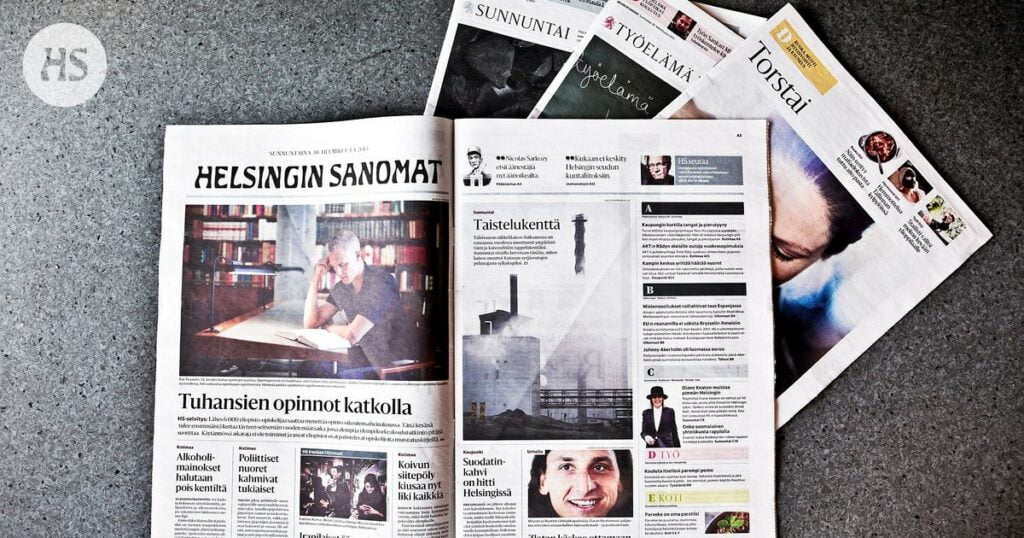
20% of Finland’s 5.5 million people pay for a news subscription. Nearly half of them subscribe to Helsingin Sanomat. — Reuters Institute Digital News Report (Finland).
One paper in a country of 5.5 million Finns has roughly 250,000 digital subscribers and reaches a household penetration most US national dailies will never see. In a year when most Western newsrooms are still arguing about whether readers will pay for news, Finland is quietly answering the question by writing cheques. The lesson is not “be Finnish”. It’s that when one publisher commits to quality + hard paywall + product, the ceiling is much higher than the industry average pretends.
That’s it. Subscribe here if a colleague forwarded this to you and you’re vaguely intrigued. Forward it if you’d like to be the colleague.
Enjoyed the post? Share it.
A journalist, podcaster and audience development strategist interested in the business of news.