

Hi friend 👋
Welcome back to 🌶️ The FatChilli Playbook. One email, for publishers, editors, and product people who think about reader revenue more than is strictly healthy. No filler, no breathless trend takes, no “the future of media is…” anything.
This issue: The New York Times’ editor-in-chief just told everyone why growing video demand, and what he sees on the platforms, terrifies him enough to bet the newsroom on it. How to better monetize video and Google Discover traffic. And also some good news for local journalism.
Still David here (audience revenue & engagement at FatChilli for Publishers).
Let’s do this.
Oh, and don’t forget to forward this newsletter to colleagues who might be interested. They can sign up here.
The NY Times is racing against the slop, and it’s not sure it can monetize the race
Joe Kahn, executive editor of the New York Times, said something on a podcast recently that will give all publishers who lived through the first pivot to video PTSD. He called the (second) shift to video “a race against time to make sure good quality journalism competes with AI-generated slop.”
Not a nice-to-have. A race. And many agree; pivoting to video in 2026 and beyond is real.
The 2026 Digital News Report devoted a full chapter to what it calls the ‘changing landscape of news video’. Across all markets, weekly consumption of news video on TikTok and Instagram grew significantly, even for incumbents like YouTube and Facebook. The Report sums up the trend in five words: “the ever-increasing platformisation of news.”
While younger audiences increasingly stumble upon news incidentally on platforms like TikTok and Instagram, YouTube stands out as a unique, cross-generational platform where users of all ages intentionally seek it out.

The key takeaway from the interview, I think, is that even the mighty Times acknowledges that it needs to be more present on the video platforms.
The catch, and Kahn says this plainly: There’s currently no reliable way to track whether those viewers ever come back to the Times, and no real way to monetize the views themselves.
They are doing it anyway, on the bet that raising people’s expectations for what good reporting looks like is worth the investment, even unmeasured.
So: the best-resourced newsroom in the world is pouring money into video it can’t yet monetize, purely to compete with slop for attention. Most publishers reading this don’t have that luxury. Yet, many will try, and it is hard to argue against.
Maybe this newsletter will become a TikTok video in the near future.
One thing I will say, the NY Times has built a meaningful direct audience revenue-generating machine first, not with video, but with newsletters, podcasts, a paywall, and original reporting.
From our blog
🌶️ How Denník N turned Google Discover readers, the ones who show up once and never subscribe, into a serious revenue line without touching the subscription funnel.
Full piece here
🌶️ Most publishers don’t choose their ad partner; they get funnelled into one. My colleague Matus breaks down GCPPs, AdX, and the difference between Manage Account and Manage Inventory, i.e. the one choice that actually matters.
Full piece here
FatPlayer

FatPlayer is our video monetization layer, and the best part is that you don’t even need video on your website to run video ads. Out-stream ad slots will be added into your existing articles and only load when there’s a real ad to show, so no empty placeholders, no page slowdown.
It also handles in-stream (pre-roll, mid-roll, post-roll) for publishers who do have their own video, plus sticky formats that dock to the corner on mobile scroll.
Digital video ad spend keeps growing, and our partners have seen overall revenue growth of up to 30%.
How FatPlayer works
Touch of Positivity
Yes, the NY Times again. Two mentions in one issue, I know. But it’s worth it.

The Times is launching its first-ever local newsletter, The Local: Twin Cities, landing in Minneapolis and St. Paul this August. It’s co-hosted by two Minnesota journalists, and it explicitly treats local outlets as partners rather than competition.
Not everyone is convinced this scales into real revenue. Fair challenge. But a newsroom with the Times’ reach choosing to point some of it at two mid-size American cities, and calling other local outlets partners instead of prey, is a genuinely nice thing to see this month.
Stat to Steal
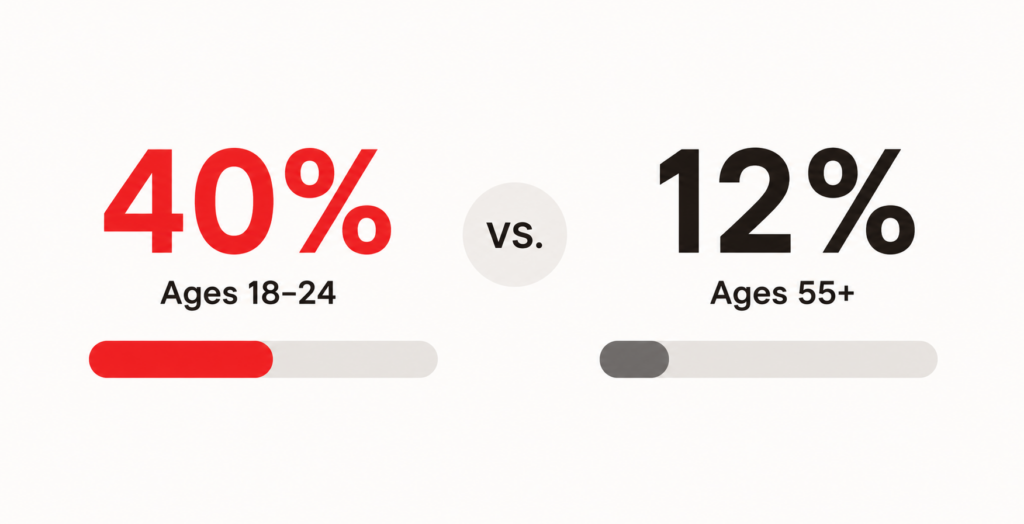
Almost 4 in 10 people aged 18-24 use TikTok weekly for news video. Just 12% of people 55+ do the same, according to the 2026 Digital News Report.
That’s all, folks. Have a nice summer ☀️
Enjoyed the post? Share it.

A journalist, podcaster and audience development strategist interested in the business of news.







FatChilli's Solutions